15th أكتوبر 2026
Are Everyday Comfort Shoes Worth It? Real Benefits vs. Regular Sneakers
If you finish a commute with sore toes, a hot forefoot, or a heel that lifts inside the shoe, comfort footwear addresses a real daily problem. The question “are comfort shoes worth it” depends on your routine, foot shape, walking surface, and the construction of the pair you choose. Everyday comfort shoes suit long periods of walking, standing, or moving between indoor and outdoor surfaces. A regular sneaker can work for short errands when the fit is accurate and the sole gives enough cushioning and grip.
The useful answer comes from the shoe’s details. Look at the toe box, footbed, heel hold, closure, outsole, and materials. Price matters, but a shoe that stays comfortable through a work shift has a different value from a pair that only feels good for ten minutes in a store.
What Counts as an Everyday Comfort Shoe?
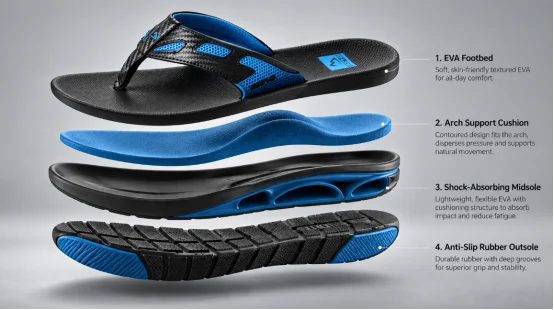
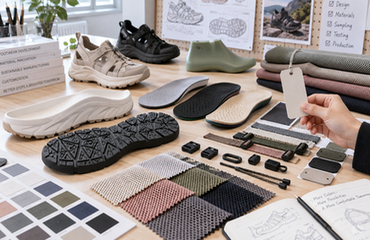
“Comfort shoe” is a huge retail label. Look closely at the actual design and precise specs. A handy pair mixes a soft footbed with a firm heel. They also need extra toe room. The outsole must match your daily paths. EVA and rubber offer nice padding. They stay light and grip well. This heavily relies on their exact build.
Store Features to Check
Make sure the insole firmly props up your arch. Your heel must lock down securely. Toes should wiggle easily inside the upper. A pull-out insole helps if a doctor prescribes an orthotic. Straps, laces, or buckles let you tweak the fit. Hook-and-loop closures work too. They help manage top pressure and shoe width.
How Do Comfort Shoes Compare with Regular Sneakers?
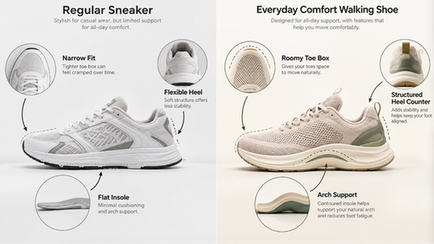
The phrase comfort shoes vs regular sneakers describes a construction comparison. It gives you a way to compare features across models. A regular sneaker may use a lightweight upper, flexible foam, and a standard molded insole.
A comfort-focused model may add a wider fit, a shaped footbed, a structured heel counter, or a deeper tread. The right choice follows your daily demand.
| Parameter | Everyday Comfort Shoe | Regular Sneaker | Daily Concern It Addresses |
|---|---|---|---|
| Cushioning | EVA or rubber midsole, padded footbed, or both | Foam setup varies by model | Impact feel during walking and standing |
| Toe-box space | Roomy or wide profiles are common | Standard width is common | Forefoot pressure and toe movement |
| Footbed support | Shaped support or removable insole may be included | Standard molded insole is common | Contact under the arch and orthotic use |
| Heel stability | Structured counter or heel cup may hold the rearfoot | Structure varies | Heel lift and side movement |
| Fit adjustment | Straps, laces, buckles, or hook-and-loop closures | Laces are common | Instep and width changes |
| النعل الخارجي | Textured EVA or rubber for selected surfaces | Tread follows the model’s use | Grip on tile, pavement, or wet ground |
Confirm the exact width, sole compound, removable-insole status, and tread before buying. A product page should provide these details.
What Benefits Do Comfort-Focused Features Provide?
The benefit appears during the hours after purchase, when the shoe meets real floors, real socks, and real walking. These features can improve the wearing experience when they match your feet and your routine.
Cushioning for Repeated Walking
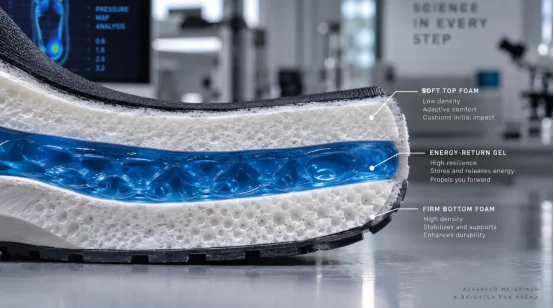
Cushioned shoes spread contact under the foot and soften repeated steps. The knowledge base describes soft EVA soles for indoor walking, workplace use, and outdoor leisure. EVA is light and easy to rinse, while a textured rubber outsole can add firmer grip. For comfortable shoes for walking, check the balance between softness and stability. A very soft footbed can still lack support later in the day.
Toe-Box Width for Pressure-Sensitive Feet
Wide toe box shoes give the toes more room to rest and move. Length does not replace width. If the shoe is long enough but still presses across the forefoot, try a wider or deeper shape. Measure both feet while standing, then fit the larger foot. Wear the socks you plan to use. This small step prevents many return trips.
Arch Support and Footbed Shape
Arch support shoes use a shaped area under the foot to change contact and pressure. One knowledge-base sandal uses a rubber-padded arch area for commuters and shoppers. Your foot shape still matters. A support ridge that sits in the wrong place can feel distracting, so walk indoors before wearing the pair outside. Recurring pain needs professional assessment.
Heel Hold and Adjustable Fit
A secure heel counter limits sliding as you walk downhill or turn. Adjustable straps help when your foot width changes during the day, when you wear thicker socks, or when a fixed slip-on feels loose. The knowledge base includes dual hook-and-loop straps designed for different foot widths, plus buckle sandals with adjustable instep fit.
Grip for Indoor and Outdoor Surfaces
Deep textured EVA and rubber outsoles can support steady steps on tile, workshop floors, pavement, and garden paths. Match the tread to the surface. A sole designed for dry indoor floors may feel different on wet ground. Check the outsole before you decide that a shoe works for every setting.
When Are Everyday Comfort Shoes Worth the Price?
The price makes more sense when the shoe solves a repeated problem. You may benefit from supportive everyday shoes if you walk to work, stand at a counter, travel with one pair, or need a wider fit. Shoes for standing all day need a stable heel, a footbed that keeps its shape, and an outsole that suits the floor. For short errands, a well-fitting regular sneaker can cover the job.
Think about cost per wear. A durable EVA or rubber sole, reinforced upper, and replaceable insole can extend useful service. Replace the pair when the tread becomes smooth, the midsole stays compressed, the heel loses structure, or uneven wear changes how you walk. The upper can still look fine while the support has already faded.
How Can You Test Comfort Shoes Before Buying?
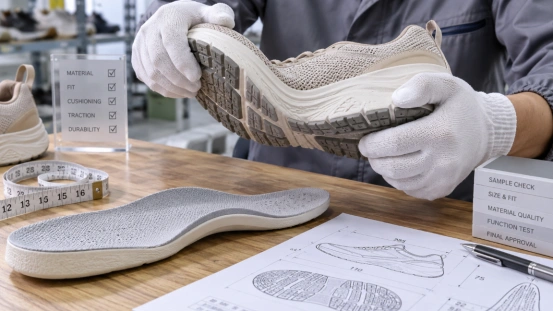
Measure both feet late in the day. Try the shoes with normal socks and check toe clearance, forefoot width, instep pressure, and heel movement. Walk on a firm indoor floor for several minutes. Bend your foot and use the closure at its normal range. A hot spot in the store can become worse during a full shift. Review the return policy before outdoor wear.
What Should You Know Before Choosing a Footwear Supplier?
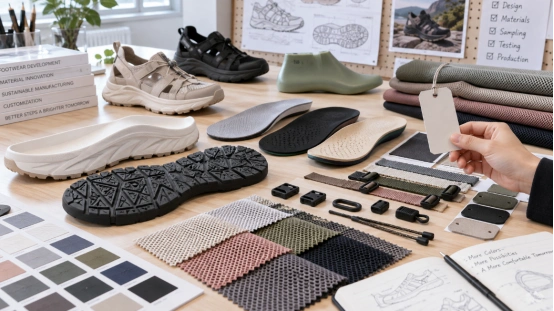
When you source comfort footwear for a retail line, the same details matter at order level. A sample should show the actual sole texture, strap pressure, width, size ratio, logo position, and packaging.
XINSA works with men’s, women’s, and kids’ footwear suppliers and can coordinate EVA or rubber soles, adjustable straps, custom colors, mixed-size ratios, and private-label packaging. Its order process includes sample confirmation, production follow-up, pre-shipment checks, and warehouse consolidation for goods from multiple suppliers.
Small and trial orders are available for buyers testing a new comfort-focused range. See the XINSA products page for category examples or visit زينسا to send product requirements.
التعليمات
Q1: Are comfort shoes good for walking all day?
A: They often do the job wonderfully. But the cushioning, width, and heel hold must actually fit your feet. The outsole grip needs to suit your path, too. Try them inside first before a long day out.
Q2: Do cushioned shoes help with foot pain?
A: That extra padding might lessen the harsh shock of heavy steps. But watch out. If you have lasting aches, numbness, or odd swelling, go see a doctor immediately.
Q3: Are arch support shoes suitable for every foot type?
A: Definitely not. A single arch curve simply cannot fit everyone. Put them on. Take a quick stroll. Then see if the support sits perfectly under your natural arch.
Q4: Can EVA shoes handle outdoor use?
A: This material works fine for light indoor and outside gear. Still, its thickness and density matter. The tread has to grip the ground. Always check the bottom texture if the floor gets wet or bumpy.
Q5: How long do everyday comfort shoes last?
A: Their lifespan really shifts based on how far you walk. Your weight, the ground, and rotation habits change things too. Look closely at the tread and midsole. Check the top fabric for uneven wear.
Final Verdict: Choose by Construction and Routine
Are comfort shoes worth it? Absolutely, if the width, footbed, and grip fix an actual daily hassle. Basic sneakers still shine for relaxed days. This is true as long as they stay snug. Measure your feet. Do a quick walk-test. Finally, weigh the cost against the sheer hours of relief you expect.