Women casual sneakers

CONTACT US
Unisex retro German trainer sneakers crafted with suede & microfiber leather, fit daily commuting, streetwear, casual walking and light training scenarios. Ideal footwear stock for overseas importers, retail chains, and private label brands. Vintage military-inspired silhouette, hot-selling all-season fashion item Light cushioned EVA midsole + non-slip wear-resistant rubber outsole Breathable mesh lining, all-day foot comfort for long-time wear Rich neutral color palette, full men & women size ranges in stock Full OEM/ODM customization on logo, color, material and packaging Reach out via Chat Now / Email to confirm samples, MOQ and bulk order solutions.
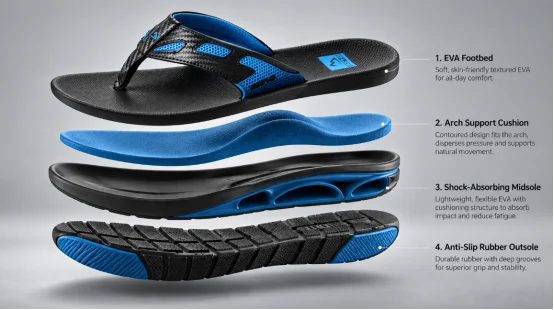
Sparkle Chunky Sneakers – Bold Style Meets Comfort​ Our new spring women’s chunky sneakers are the ultimate all-day staple, built for fashion-forward gals who refuse to choose between style and comfort. Crafted with ultra-lightweight EVA thick soles, breathable mesh uppers, and slip-resistant rugged outsoles, these dad shoes deliver a head-turning height boost without the heavy, clunky feel. Available in classic black/white and eye-catching blinged colorways, they pair seamlessly with jeans, dresses, work trousers, or leggings, replacing multiple shoe pairs in your closet. Durable, budget-friendly, and on-trend, these sneakers keep you comfy on commutes, shopping sprees, and date nights, making them the must-have addition to your wardrobe.

Reliable Materials, Built for Every Step

product faq

EVA/Rubber Outsoles: Utilizing high-resilience, wear-resistant, and anti-slip formulas to ensure safety and long-lasting wear. Eco-Friendly Fabrics: Cotton slippers feature skin-friendly, breathable cotton and plush lining; sandals prioritize quick-drying and antimicrobial linings; sports shoes employ breathable mesh and synthetic leather, balancing comfort and support. Eco & Safety Compliance: Strictly adhere to international environmental standards, with controls on restricted substances, especially focusing on the safety of children's products.

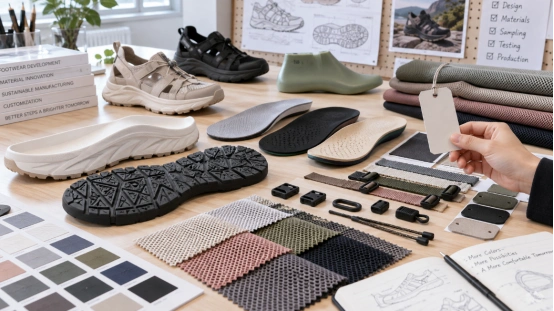
One-Piece Molding/Injection Molding (Sandals/Sports Shoes): Achieves seamless construction for solid structure, lightweight waterproofness, ideal for EVA clogs and sports shoe midsoles. Precision Cutting & Stitching (Cotton Slippers/Select Uppers): Employs automated or high-precision die-cutting combined with durable stitching for neat seams, ensuring structured shape and resistance to separation. Versatile Design Execution: Proficient in printing, embroidery, patch application, charm attachments, 3D doll embedding, etc., accurately reproducing various popular IPs, cartoon patterns, and brand designs. Sampling: Upon design confirmation, we create precise prototypes (samples) for your approval on fit, materials, colors, and details. Revisions are made until you are 100% satisfied.

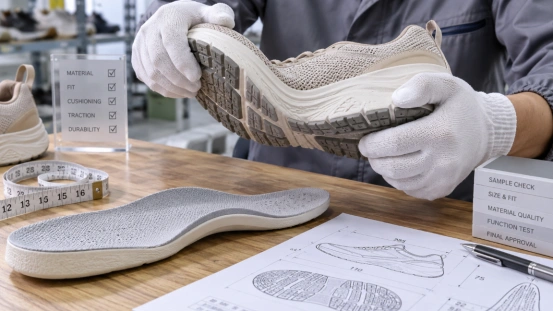
Ergonomic Design: Optimized shoe lasts for different footwear types to provide a more comfortable, foot-conforming experience. Rigorous QC Process: Multi-stage checks from raw material inspection to production line sampling and finished product full inspection, ensuring color, size, and craftsmanship meet standards. Continuous Innovation: Keep pace with market trends, regularly develop new styles and material applications (e.g., recyclable materials), and support custom OEM/ODM requirements.

Packing & Documentation: Products are packed according to your instructions (branded/neutral packaging). We prepare all commercial documents (invoice, packing list, certificate of origin, etc.). Shipping Arrangement: We handle all logistics—from factory to port. You can choose the shipping method (EXW, FOB, CIF, DDP, etc.). We work with reliable freight forwarders to secure the best routes and rates. Customs Clearance Support: We provide all necessary documentation to facilitate smooth export customs clearance.

Shipment Tracking: We provide the booking details, Bill of Lading (B/L) or Air Waybill (AWB), and real-time tracking information. Arrival & Support: We remain available to assist with any documentation needs upon goods arrival at the destination port and for future cooperation. Our Commitment:We are more than just manufacturers; we are an extension of your supply chain. We understand the demands of the international market and are dedicated to delivering high-quality products at competitive prices with stable and efficient lead times. Choosing Xinsa means gaining reliable craftsmanship, flexible delivery, and professional service.

send us free message


blog articles

22
October
A customer may try on a shoe for less than a minute, yet the sale depends on how it feels through a commute or work shift. That is why wholesale comfort shoes deserve a practical buying plan. Comfort can support repeat purchases, broader daily use, and fewer fit complaints across footwear stores, supermarkets, and online shops. Why Do Wholesale Comfort Shoes Make Commercial Sense? Daily wear shoes serve shoppers who walk to work, stand for hours, travel, or need easy footwear at home. These uses give comfort shoes for retailers a wide customer base and give wholesale shoes for distributors several sales channels. Wider Wear Scenarios Support Steadier Sales A cushioned sneaker can cover office commutes, city walks, and short trips. An adjustable EVA slide may work at home, near a pool, or during light workplace duty. Warm clogs add colder-season demand. Each clear use case helps staff explain the product quickly. Seasonal planning still matters. A useful assortment pairs year-round wholesale sneakers with summer slides and a measured winter line. Practical Comfort Features Can Reduce Fit Complaints Comfort comes from identifiable parts. A soft insole cushions the foot. A supportive midsole spreads pressure. Mesh lining releases heat. Adjustable straps accommodate different instep heights, while a roomy toe shape gives toes space. Rubber outsoles provide grip; EVA soles keep many styles light. Ask for foot-length measurements, the last used, and guidance for wide feet. Some models recommend sizing up for a wider foot, so confirm the rule for each style. A clear chart helps shoppers choose. Which Product Features Matter Most to Buyers? Turn the comfort claim into a checklist tied to the wearer and floor condition. The best comfort shoes for retail stores match cushioning, fit, grip, and care to a real use case. Cushioning, Support, and Low Weight For long walks, check insole softness, sole rebound, forefoot flex, and heel stability. Cushioned footwear should feel soft while keeping the foot steady. Low weight also suits travel and all-day wear. For EVA comfort shoes, examine sole density and recovery after compression. For sneakers, review the midsole, lining, and flex point together. Grip, Breathability, and Easy Care Deep tread gives non-slip comfort shoes traction on tile, workshop floors, and damp outdoor surfaces. Request grip testing for the intended use; outsole material, tread depth, and contact area all affect performance. Breathable mesh suits sneakers. Quick-drying linings suit summer sandals. Waterproof EVA uppers rinse easily, which works well for household slippers and poolside footwear. Put care instructions on the product page and package. How Should You Build a Profitable Assortment? Sell-through determines profit. A balanced comfortable shoes wholesale order considers color depth, size demand, sales season, retail price, and the space each carton occupies. Start with Core Styles and Controlled Variants Begin with proven neutral colors and a few accents suited to your market. Clean sneaker shapes can work across seasons, while adjustable slides fit more foot shapes. Keep structural changes limited during an opening run so you can judge fit and sell-through. Small trial orders reveal which colors and sizes move before you commit more cash. A strong product photo still leaves slow stock when the carton carries the wrong size ratio. It happens. Use Mixed Sizes to Match Store Demand Mixed-size packing lets you build cartons around actual sales. Confirm the size range, pairs per size, carton count, and color mix. Some men’s ranges cover EU 38 to 45; each women’s and children’s chart remains model-specific. For a bulk shoe order, compare the planned ratio with your past sales. Stores near schools, offices, resorts, or industrial areas may need very different curves. Better ratios release cash sooner and leave fewer odd sizes at season end. What Should You Check Before Buying Shoes in Bulk? What to check before buying shoes in bulk starts with written records. A dependable wholesale footwear supplier records materials, colors, sizes, logo position, packaging, quantity, carton marks, and delivery timing. These details guide production and footwear quality control. Approve a Physical Sample A pre-production sample lets you check footbed feel, strap pressure, outsole texture, stitching, bonding, color, logo work, and packaging. Wear testing can expose rubbing or poor flex that photographs miss. Keep the approved sample available for the final inspection. Ask about shoe MOQ and lead time for stock colors and custom versions. One private label sneaker program lists logo customization from 480 pairs per color, while a typical production cycle may run 25 to 30 days after sample approval and deposit. Your style, order size, and production schedule can change both figures, so place the confirmed terms on the purchase order. Inspect Production, Packing, and Shipment Inspection should cover pair matching, color shade, size labels, logo placement, outsole finish, hangtags, carton marks, and quantity. Children’s footwear also needs checks for sharp edges, loose decorations, and secure hardware. Record defects by carton and agree on corrective action before loading. Reinforced export cartons and moisture-resistant inner packing help protect goods on long sea routes. Custom shoe packaging may include printed boxes, hangtags, woven labels, stickers, or OPP bags. When several factories supply one order, warehouse consolidation and mixed-container loading can reduce fragmented shipments and keep export documents together. A Sourcing Setup Built around Retail Risk Once the assortment and inspection standard are clear, the remaining task is coordination. XINSA matches men’s, women’s, and children’s footwear requests with factories and handles samples, order records, production follow-up, inspection, warehousing, and export arrangements. For private label comfort shoes, buyers can request color changes, mixed-size ratios, printed or embossed logos, woven labels, hangtags, strap adjustments, and sole-thickness changes. This supports OEM and ODM footwear programs and custom logo shoes while keeping each choice tied to an approved sample. Small and trial orders are available for market testing. Orders from several suppliers can be received into one warehouse, checked, and combined for shipment. That workflow gives a footwear sourcing agent one traceable record from the product brief through loading. FAQ Q1: How to choose wholesale comfort shoes? A: Define the wearer, use case, target price, materials, size range, and sales season. Then test a physical sample for fit, flex, cushioning, grip, and care. Q2: What are the best comfort shoes for retail stores? A: The strongest choices fit your local routines. Daily sneakers, adjustable slides, cushioned sandals, and easy-care clogs cover common work, travel, home, and leisure needs. Q3: What should you check before buying shoes in bulk? A: Check the sample, size chart, mixed-size ratio, material specification, MOQ, lead time, inspection method, packaging, carton data, and shipping plan. Q4: Can wholesale comfort shoes carry a private label? A: Yes. Common options include printed or embossed logos, custom colors, labels, hangtags, boxes, and minor changes to straps or sole thickness. Q5: How can distributors manage orders from several footwear factories? A: Use one order record for each factory, inspect goods against approved samples, receive cartons into a warehouse, and combine them through warehouse consolidation when the shipping plan allows it.
15
October
If you finish a commute with sore toes, a hot forefoot, or a heel that lifts inside the shoe, comfort footwear addresses a real daily problem. The question “are comfort shoes worth it” depends on your routine, foot shape, walking surface, and the construction of the pair you choose. Everyday comfort shoes suit long periods of walking, standing, or moving between indoor and outdoor surfaces. A regular sneaker can work for short errands when the fit is accurate and the sole gives enough cushioning and grip. The useful answer comes from the shoe’s details. Look at the toe box, footbed, heel hold, closure, outsole, and materials. Price matters, but a shoe that stays comfortable through a work shift has a different value from a pair that only feels good for ten minutes in a store. What Counts as an Everyday Comfort Shoe? “Comfort shoe” is a huge retail label. Look closely at the actual design and precise specs. A handy pair mixes a soft footbed with a firm heel. They also need extra toe room. The outsole must match your daily paths. EVA and rubber offer nice padding. They stay light and grip well. This heavily relies on their exact build. Store Features to Check Make sure the insole firmly props up your arch. Your heel must lock down securely. Toes should wiggle easily inside the upper. A pull-out insole helps if a doctor prescribes an orthotic. Straps, laces, or buckles let you tweak the fit. Hook-and-loop closures work too. They help manage top pressure and shoe width. How Do Comfort Shoes Compare with Regular Sneakers? The phrase comfort shoes vs regular sneakers describes a construction comparison. It gives you a way to compare features across models. A regular sneaker may use a lightweight upper, flexible foam, and a standard molded insole. A comfort-focused model may add a wider fit, a shaped footbed, a structured heel counter, or a deeper tread. The right choice follows your daily demand. Parameter Everyday Comfort Shoe Regular Sneaker Daily Concern It Addresses Cushioning EVA or rubber midsole, padded footbed, or both Foam setup varies by model Impact feel during walking and standing Toe-box space Roomy or wide profiles are common Standard width is common Forefoot pressure and toe movement Footbed support Shaped support or removable insole may be included Standard molded insole is common Contact under the arch and orthotic use Heel stability Structured counter or heel cup may hold the rearfoot Structure varies Heel lift and side movement Fit adjustment Straps, laces, buckles, or hook-and-loop closures Laces are common Instep and width changes Outsole Textured EVA or rubber for selected surfaces Tread follows the model’s use Grip on tile, pavement, or wet ground Confirm the exact width, sole compound, removable-insole status, and tread before buying. A product page should provide these details. What Benefits Do Comfort-Focused Features Provide? The benefit appears during the hours after purchase, when the shoe meets real floors, real socks, and real walking. These features can improve the wearing experience when they match your feet and your routine. Cushioning for Repeated Walking Cushioned shoes spread contact under the foot and soften repeated steps. The knowledge base describes soft EVA soles for indoor walking, workplace use, and outdoor leisure. EVA is light and easy to rinse, while a textured rubber outsole can add firmer grip. For comfortable shoes for walking, check the balance between softness and stability. A very soft footbed can still lack support later in the day. Toe-Box Width for Pressure-Sensitive Feet Wide toe box shoes give the toes more room to rest and move. Length does not replace width. If the shoe is long enough but still presses across the forefoot, try a wider or deeper shape. Measure both feet while standing, then fit the larger foot. Wear the socks you plan to use. This small step prevents many return trips. Arch Support and Footbed Shape Arch support shoes use a shaped area under the foot to change contact and pressure. One knowledge-base sandal uses a rubber-padded arch area for commuters and shoppers. Your foot shape still matters. A support ridge that sits in the wrong place can feel distracting, so walk indoors before wearing the pair outside. Recurring pain needs professional assessment. Heel Hold and Adjustable Fit A secure heel counter limits sliding as you walk downhill or turn. Adjustable straps help when your foot width changes during the day, when you wear thicker socks, or when a fixed slip-on feels loose. The knowledge base includes dual hook-and-loop straps designed for different foot widths, plus buckle sandals with adjustable instep fit. Grip for Indoor and Outdoor Surfaces Deep textured EVA and rubber outsoles can support steady steps on tile, workshop floors, pavement, and garden paths. Match the tread to the surface. A sole designed for dry indoor floors may feel different on wet ground. Check the outsole before you decide that a shoe works for every setting. When Are Everyday Comfort Shoes Worth the Price? The price makes more sense when the shoe solves a repeated problem. You may benefit from supportive everyday shoes if you walk to work, stand at a counter, travel with one pair, or need a wider fit. Shoes for standing all day need a stable heel, a footbed that keeps its shape, and an outsole that suits the floor. For short errands, a well-fitting regular sneaker can cover the job. Think about cost per wear. A durable EVA or rubber sole, reinforced upper, and replaceable insole can extend useful service. Replace the pair when the tread becomes smooth, the midsole stays compressed, the heel loses structure, or uneven wear changes how you walk. The upper can still look fine while the support has already faded. How Can You Test Comfort Shoes Before Buying? Measure both feet late in the day. Try the shoes with normal socks and check toe clearance, forefoot width, instep pressure, and heel movement. Walk on a firm indoor floor for several minutes. Bend your foot and use the closure at its normal range. A hot spot in the store can become worse during a full shift. Review the return policy before outdoor wear. What Should You Know Before Choosing a Footwear Supplier? When you source comfort footwear for a retail line, the same details matter at order level. A sample should show the actual sole texture, strap pressure, width, size ratio, logo position, and packaging. XINSA works with men’s, women’s, and kids’ footwear suppliers and can coordinate EVA or rubber soles, adjustable straps, custom colors, mixed-size ratios, and private-label packaging. Its order process includes sample confirmation, production follow-up, pre-shipment checks, and warehouse consolidation for goods from multiple suppliers. Small and trial orders are available for buyers testing a new comfort-focused range. See the XINSA products page for category examples or visit XINSA to send product requirements. FAQ Q1: Are comfort shoes good for walking all day? A: They often do the job wonderfully. But the cushioning, width, and heel hold must actually fit your feet. The outsole grip needs to suit your path, too. Try them inside first before a long day out. Q2: Do cushioned shoes help with foot pain? A: That extra padding might lessen the harsh shock of heavy steps. But watch out. If you have lasting aches, numbness, or odd swelling, go see a doctor immediately. Q3: Are arch support shoes suitable for every foot type? A: Definitely not. A single arch curve simply cannot fit everyone. Put them on. Take a quick stroll. Then see if the support sits perfectly under your natural arch. Q4: Can EVA shoes handle outdoor use? A: This material works fine for light indoor and outside gear. Still, its thickness and density matter. The tread has to grip the ground. Always check the bottom texture if the floor gets wet or bumpy. Q5: How long do everyday comfort shoes last? A: Their lifespan really shifts based on how far you walk. Your weight, the ground, and rotation habits change things too. Look closely at the tread and midsole. Check the top fabric for uneven wear. Final Verdict: Choose by Construction and Routine Are comfort shoes worth it? Absolutely, if the width, footbed, and grip fix an actual daily hassle. Basic sneakers still shine for relaxed days. This is true as long as they stay snug. Measure your feet. Do a quick walk-test. Finally, weigh the cost against the sheer hours of relief you expect.
09
October
Retail customers describe a shoe as comfortable during a commute, hard-floor shift, school run, or market walk. As a retailer, you need features you can specify, sample, inspect, and repeat. Use this checklist for footbed materials and carton planning. What Should You Check First When Sourcing Comfort Shoes? Start with the wearer’s routine and your sales channel. A home slipper, a work slide, and a children’s boot need different comfort evidence. Write the use case, target price, size range, color plan, and shipping season into the brief before you compare factories. Match the Shoe to the Wearing Scene For indoor and summer lines, EVA is light, washable, and quick to dry. A thickened EVA sole cushions repeated steps at home or work. For children’s fall and winter shoes, a foam midsole with a rubber outsole adds shock absorption and grip on tile or grass. Open-toe sandals need a smooth lining and an easy closure. Check Fit Controls and Appearance Adjustable double straps, hook-and-loop closures, and laces let one style serve more foot shapes. A wide round toe gives growing toes room, while an elastic ankle collar reduces rubbing. Ask the supplier for actual foot-length measurements and a size chart. A product page that lists EU 36–43 or EU 21–32 is a starting point; your sample must confirm the inside length and width. Which Comfort Features Matter in a Wholesale Comfort Shoes Range? Comfort sells through repeat wear, so each feature should have a clear job. Ask for material names, thickness, test samples, and care instructions. A short feature sheet helps your sales team answer questions and keeps medical claims out. Build Cushioning from the Ground Up Look at the footbed, midsole, and outsole together. A soft EVA or foam footbed absorbs everyday impact. Rubber or textured EVA underfoot adds grip and wear resistance. In flat sandals, a rubber-padded arch area can support long commutes and shopping trips. For platform slides, a thicker sole can add cushioning, but check bend points so the shoe still flexes during a normal step. Control Heat, Moisture, and Skin Contact Cotton fabric, mesh, and microfiber linings move moisture away from the foot. Quick-drying EVA suits poolside, garden, and beach use. Plush or faux-fur uppers fit cold-season indoor lines when the pile stays attached. Ask for a rub test on the lining and a wipe-clean sample on the upper. These checks predict returns better than a studio photo. Specify Grip and Daily Durability Deep outsole textures create traction on wet workshop floors and smooth tiles. Review the tread depth, edge finish, and bonding around the upper. For children’s shoes, press and twist the sole by hand, then inspect the toe and heel after repeated flexing. For rhinestone or decorated styles, check adhesive coverage and pull resistance before approving a bulk run. How Do You Evaluate a Shoe Supplier Before a Trial Order? Supplier screening works best as a short evidence trail. You need a named product, a confirmed specification, a physical sample, and a written inspection point before money moves. This process gives small trial orders a defined purpose. Confirm the Technical Sheet and MOQ Record upper, lining, midsole, outsole, closure, size range, color codes, logo position, packing method, and lead time. Ask whether the factory accepts mixed sizes or mixed colors. A flexible MOQ can help you test a seasonal line while keeping inventory within your cash plan. Put every change into the order sheet, including strap width, sole thickness, and carton marks. Approve a Pre-Production Sample Use the sample to check strap pressure, toe room, arch feel, sole texture, color, logo placement, and packaging. For a children’s boot, check ankle wrap, lace adjustment, collar softness, and toe box with a real size reference. Sign off on one version and keep dated photos. Use a Written Quality Inspection Before shipment, inspect size assortments, stitching, glue lines, outsole grip, surface marks, labels, hangtags, and carton counts. A sourcing partner can inspect goods even when another factory makes them. Request a report with photos and defect quantities, then set the correction rule before loading. How Can You Reduce Landed Cost While Keeping Comfort? Landed cost includes the shoe, packaging, inspection, inland movement, freight, and customs work. Better planning keeps those parts visible while the comfort specification stays fixed. Plan Packing and Consolidation Early Reinforced moisture-proof cartons protect shoes during sea transport. OPP bags, non-woven bags, and printed shoe boxes suit different price points. With several suppliers, warehouse consolidation and mixed-container loading combine styles into one shipment. Record carton quantity, CBM, and marks before loading. Choose Transport for the Order Shape Sea freight fits larger seasonal orders. Sea-rail intermodal service can suit inland destinations with a tighter delivery window. Ask for two written options based on your destination port, volume, and ready date. Keep the freight plan beside the product sheet so a late color change does not create a surprise shipment split. Where Can a Footwear Sourcing Agent Add Practical Value? A local sourcing partner can connect product details with factory work, which matters when your team is buying several styles at once. The useful service is specific: matching a factory to the brief, tracking production, checking goods, and closing the export paperwork. Use XINSA for Detail Control Across the Order Through XINSA’s sourcing service, you can submit sizes, colors, logos, packaging, and target markets in one brief. The team matches footwear factories, arranges samples, records order details, follows production, and performs pre-shipment checks. Its footwear range covers men’s, women’s, and kids’ slides, sandals, slippers, and boots, with support for strap changes, sole thickness, mixed-size packing, printed or embossed logos, and private-label cartons. You can also review the footwear product range when building a test assortment. Keep the First Order Easy to Audit Ask for a formal quotation, sample photos, an inspection checklist, and a shipping plan. Free warehouse storage and consolidation can help when goods come from different factories. The goal is a clean record that lets you reorder the same comfort details next season. FAQ Q1: Which sole material is best for wholesale comfort shoes? A: EVA feels remarkably light. It cushions well and dries quickly. Conversely, rubber brings solid grip. It also resists heavy wear. Pick a blend matching the specific wearing scene. Then, verify it with a physical sample. Q2: How to ensure adjustable straps fit diverse customers? A: Try them on narrow, regular, and wide feet. Inspect the hook-and-loop grip closely. Check the edge softness. Feel for odd pressure after a full fitting. Finally, log the usable adjustment range on your product sheet. Q3: Do you need a pre-production sample for a private-label shoe? A: Definitely. Use it to confidently confirm fit, color, and sole texture. Also, evaluate the logo effect, hangtags, and carton artwork before bulk production begins. Q4: Can a retailer mix sizes and colors per order? A: Many factories gladly permit mixed-size or mixed-color packing. Just finalize the exact ratio before manufacturing starts. List this specific ratio, carton count, and labels inside the signed order sheet. Q5: What must a footwear quality inspection check? A: Review core materials and size assortment. Scrutinize stitching, bonding, and outsole grip. Verify logos, labels, packaging, carton marks, and quantity. Clear photo records and exact defect counts make release decisions highly straightforward.
02
October
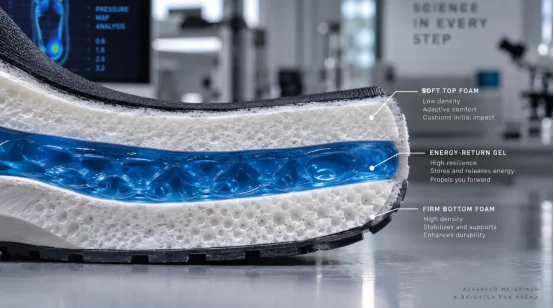
How does cushioning innovation change your daily experience? Cushioning innovation blends foam and gel layers. They soak up shocks. Then, they bounce energy back. You get less tired after long walks. It also helps during standing shifts. Footwear brands adding this feature enjoy rising sales. The shoes just feel genuinely cozy. Imagine standing eight hours on a factory line. Your feet hurt badly afterward. Those new shoes already lack bounce. Yet, with proper cushioning innovation, they stay springy. Your steps remain easy. You finish morning shifts without dragging your feet. Brands focusing here see profits jump. Shoppers spot the upgrade instantly. Cushioning innovation works by piling various foams inside the midsole. The outside takes the initial strike. Next, the inside shoves back. You sense it while jogging. You also notice it climbing stairs later. Footwear brands using this design craft tougher gear. The cushioning tech survives hundreds of miles. It never squashes flat. Such durability turns casual buyers into loyal fans. What role does pressure point reduction play in your choice of shoes? Pressure point reduction spreads weight evenly across the foot. You avoid blisters and soreness. This feature makes the shoes more comfortable for all day wear and helps brands build loyalty. You wear the same pair to the office, then walk the dog after dinner. Without pressure point reduction your toes go numb and your heels burn. Add this feature and the shoes stay comfortable through both activities. You forget you are wearing them. That comfort matters when you decide what to buy next time. Pressure point reduction happens when the design spreads weight evenly across the foot. You avoid blisters and soreness. This feature makes the shoes more comfortable for all day wear and helps brands build loyalty. Footwear brands that test their products on real feet see customers return because the shoes hold up to daily use. The focus on customer comfort leads to higher satisfaction and repeat buys. Why does this focus create high margin opportunities for footwear brands? High margin opportunities come from products that customers keep buying because they work. Footwear brands that invest in comfort features see steady sales growth. The cushioning and support last longer than trends that come and go. This approach turns a short term style choice into a repeat purchase. You buy a new pair every year. The old pair feels off after a few months. Brands that solve this problem with cushioning innovation and pressure point reduction keep you coming back. The high margin comes from lower return rates and higher lifetime value. Footwear brands that track this trend and adjust their product development see stronger performance. The cushioning innovation and pressure reduction deliver results that customers notice. How does consumer preference shift when comfort technology arrives? Consumer preference changes when the product solves a real problem. You look for shoes that reduce pressure points and cushion impact instead of just looking stylish. Footwear brands that read this shift and respond with proper cushioning innovation gain an edge in the market. You scroll past flashy designs. The shoes that catch your eye are the ones that feel good all day. Market data shows sales growth when brands add comfort features. Footwear brands that track this trend and adjust their product development see stronger performance. The cushioning innovation and pressure reduction deliver results that customers notice. Consumer preference shifts when comfort technology arrives. You compare pairs side by side. The one with cushioning innovation wins. Brands that focus on this feature see customer satisfaction rise. The market trend favors products that deliver real comfort. Footwear brands that understand this change invest more in cushioning tech and pressure point reduction. What purchasing criteria matter most when you compare shoes? Purchasing criteria include how long the shoes feel comfortable and how much support they give your feet. Footwear brands that address these points with cushioning innovation and pressure point reduction see better results. The focus on customer comfort leads to higher satisfaction and repeat buys. You ask yourself what matters when you buy shoes. Comfort comes first. Then style follows. Footwear brands that put cushioning innovation and pressure point reduction at the center of their product development watch sales climb. Market data shows sales growth when brands add comfort features. Footwear brands that track this trend and adjust their product development see stronger performance. The cushioning innovation and pressure reduction deliver results that customers notice. Purchasing criteria include how long the shoes feel comfortable and how much support they give your feet. Footwear brands that address these points with cushioning innovation and pressure point reduction see better results. The focus on customer comfort leads to higher satisfaction and repeat buys. How does market data support the move toward comfort technology? Market data shows sales growth when brands add comfort features. Footwear brands that track this trend and adjust their product development see stronger performance. The cushioning innovation and pressure reduction deliver results that customers notice. You see reports that highlight comfort as a top purchasing criteria. Footwear brands that focus on cushioning innovation and pressure point reduction gain an edge in the market. Consumer preference changes when the product solves a real problem. You look for shoes that reduce pressure points and cushion impact instead of just looking stylish. Footwear brands that read this shift and respond with proper cushioning innovation gain an edge in the market. Market data supports the move toward comfort technology. Sales growth happens when brands invest in cushioning tech. Footwear brands that follow this trend see higher margin potential. The cushioning innovation and pressure reduction deliver results that customers notice and keep buying. How does brand investment in comfort technology pay off? Brand investment in comfort technology pays off through higher customer satisfaction and sales growth. Footwear brands that build proper cushioning and support see products that last and sell repeat after repeat. The focus on customer comfort creates a clear advantage. You notice the difference when you try on a pair with cushioning innovation. The shoes feel lighter and more supportive. Footwear brands that make this investment watch their sales performance improve. The cushioning tech lasts longer. Pressure point reduction keeps your feet happy. This approach turns a short term style choice into a repeat purchase. Brand investment in comfort technology pays off. You come back for more because the shoes keep working. Footwear brands that focus on cushioning innovation and pressure point reduction build loyal customers. The high margin comes from steady sales growth. The cushioning innovation and pressure reduction deliver results that customers notice. How brands create lasting value with comfort tech XINSA helps brands source footwear with advanced cushioning that reduces pressure points and supports the arch for longer wear without fatigue. Their approach delivers exactly what you need for all day comfort and steady performance. FAQ Q1: What is comfort tech? A: Comfort tech refers to features like cushioning innovation and pressure point reduction that make shoes feel good and last longer. Q2: Why do footwear brands focus on cushioning? A: Footwear brands focus on cushioning because it reduces fatigue and helps customers stay comfortable during long days. Q3: How does pressure point reduction help? A: Pressure point reduction spreads weight evenly so you avoid soreness and blisters during normal wear. Q4: What is the benefit of high margin trend in footwear? A: The benefit is steady sales growth when brands deliver real comfort that customers notice and repeat. Q5: How can I find shoes with good cushioning? A: Look for products that mention cushioning innovation and pressure point reduction in the description.
Home
WhatsApp
Email
Contacts