2nd October 2026
Why Comfort Tech is the High-Margin Future of Footwear Brands
How does cushioning innovation change your daily experience?
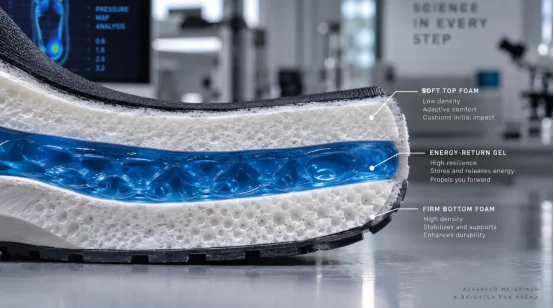
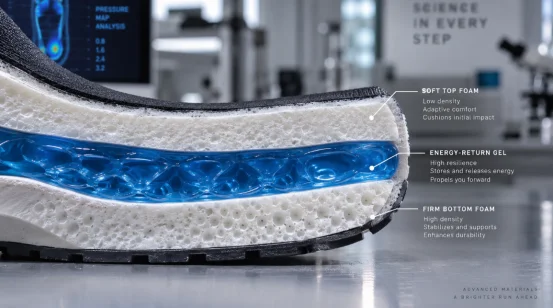
Cushioning innovation blends foam and gel layers. They soak up shocks. Then, they bounce energy back. You get less tired after long walks. It also helps during standing shifts. Footwear brands adding this feature enjoy rising sales. The shoes just feel genuinely cozy.
Imagine standing eight hours on a factory line. Your feet hurt badly afterward. Those new shoes already lack bounce. Yet, with proper cushioning innovation, they stay springy. Your steps remain easy. You finish morning shifts without dragging your feet. Brands focusing here see profits jump. Shoppers spot the upgrade instantly.
Cushioning innovation works by piling various foams inside the midsole. The outside takes the initial strike. Next, the inside shoves back. You sense it while jogging. You also notice it climbing stairs later. Footwear brands using this design craft tougher gear. The cushioning tech survives hundreds of miles. It never squashes flat. Such durability turns casual buyers into loyal fans.
What role does pressure point reduction play in your choice of shoes?
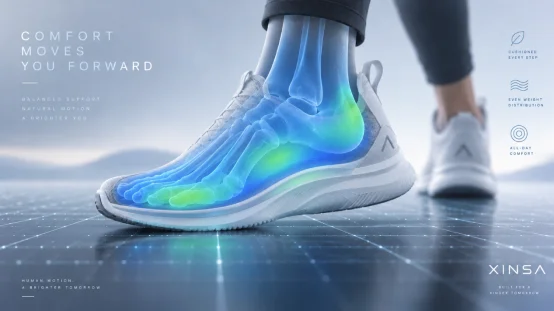
Pressure point reduction spreads weight evenly across the foot. You avoid blisters and soreness. This feature makes the shoes more comfortable for all day wear and helps brands build loyalty.
You wear the same pair to the office, then walk the dog after dinner. Without pressure point reduction your toes go numb and your heels burn. Add this feature and the shoes stay comfortable through both activities. You forget you are wearing them. That comfort matters when you decide what to buy next time.
Pressure point reduction happens when the design spreads weight evenly across the foot. You avoid blisters and soreness. This feature makes the shoes more comfortable for all day wear and helps brands build loyalty. Footwear brands that test their products on real feet see customers return because the shoes hold up to daily use. The focus on customer comfort leads to higher satisfaction and repeat buys.
Why does this focus create high margin opportunities for footwear brands?
High margin opportunities come from products that customers keep buying because they work. Footwear brands that invest in comfort features see steady sales growth. The cushioning and support last longer than trends that come and go. This approach turns a short term style choice into a repeat purchase.
You buy a new pair every year. The old pair feels off after a few months. Brands that solve this problem with cushioning innovation and pressure point reduction keep you coming back. The high margin comes from lower return rates and higher lifetime value. Footwear brands that track this trend and adjust their product development see stronger performance. The cushioning innovation and pressure reduction deliver results that customers notice.
How does consumer preference shift when comfort technology arrives?
Consumer preference changes when the product solves a real problem. You look for shoes that reduce pressure points and cushion impact instead of just looking stylish. Footwear brands that read this shift and respond with proper cushioning innovation gain an edge in the market.
You scroll past flashy designs. The shoes that catch your eye are the ones that feel good all day. Market data shows sales growth when brands add comfort features. Footwear brands that track this trend and adjust their product development see stronger performance. The cushioning innovation and pressure reduction deliver results that customers notice.
Consumer preference shifts when comfort technology arrives. You compare pairs side by side. The one with cushioning innovation wins. Brands that focus on this feature see customer satisfaction rise. The market trend favors products that deliver real comfort. Footwear brands that understand this change invest more in cushioning tech and pressure point reduction.
What purchasing criteria matter most when you compare shoes?
Purchasing criteria include how long the shoes feel comfortable and how much support they give your feet. Footwear brands that address these points with cushioning innovation and pressure point reduction see better results. The focus on customer comfort leads to higher satisfaction and repeat buys.
You ask yourself what matters when you buy shoes. Comfort comes first. Then style follows. Footwear brands that put cushioning innovation and pressure point reduction at the center of their product development watch sales climb. Market data shows sales growth when brands add comfort features. Footwear brands that track this trend and adjust their product development see stronger performance. The cushioning innovation and pressure reduction deliver results that customers notice.
Purchasing criteria include how long the shoes feel comfortable and how much support they give your feet. Footwear brands that address these points with cushioning innovation and pressure point reduction see better results. The focus on customer comfort leads to higher satisfaction and repeat buys.
How does market data support the move toward comfort technology?
Market data shows sales growth when brands add comfort features. Footwear brands that track this trend and adjust their product development see stronger performance. The cushioning innovation and pressure reduction deliver results that customers notice.
You see reports that highlight comfort as a top purchasing criteria. Footwear brands that focus on cushioning innovation and pressure point reduction gain an edge in the market. Consumer preference changes when the product solves a real problem. You look for shoes that reduce pressure points and cushion impact instead of just looking stylish. Footwear brands that read this shift and respond with proper cushioning innovation gain an edge in the market.
Market data supports the move toward comfort technology. Sales growth happens when brands invest in cushioning tech. Footwear brands that follow this trend see higher margin potential. The cushioning innovation and pressure reduction deliver results that customers notice and keep buying.
How does brand investment in comfort technology pay off?
Brand investment in comfort technology pays off through higher customer satisfaction and sales growth. Footwear brands that build proper cushioning and support see products that last and sell repeat after repeat. The focus on customer comfort creates a clear advantage.
You notice the difference when you try on a pair with cushioning innovation. The shoes feel lighter and more supportive. Footwear brands that make this investment watch their sales performance improve. The cushioning tech lasts longer. Pressure point reduction keeps your feet happy. This approach turns a short term style choice into a repeat purchase.
Brand investment in comfort technology pays off. You come back for more because the shoes keep working. Footwear brands that focus on cushioning innovation and pressure point reduction build loyal customers. The high margin comes from steady sales growth. The cushioning innovation and pressure reduction deliver results that customers notice.
How brands create lasting value with comfort tech
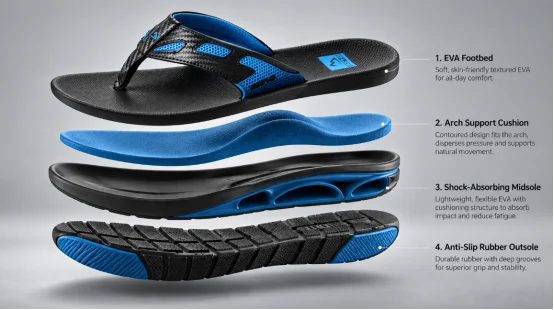
XINSA helps brands source footwear with advanced cushioning that reduces pressure points and supports the arch for longer wear without fatigue. Their approach delivers exactly what you need for all day comfort and steady performance.
FAQ
Q1: What is comfort tech?
A: Comfort tech refers to features like cushioning innovation and pressure point reduction that make shoes feel good and last longer.
Q2: Why do footwear brands focus on cushioning?
A: Footwear brands focus on cushioning because it reduces fatigue and helps customers stay comfortable during long days.
Q3: How does pressure point reduction help?
A: Pressure point reduction spreads weight evenly so you avoid soreness and blisters during normal wear.
Q4: What is the benefit of high margin trend in footwear?
A: The benefit is steady sales growth when brands deliver real comfort that customers notice and repeat.
Q5: How can I find shoes with good cushioning?
A: Look for products that mention cushioning innovation and pressure point reduction in the description.