25th September 2026
OEM vs. Private Label Footwear: Guide for Retailers
The demand for unique retail brands is growing rapidly. When looking into fashion footwear manufacturing, you hit a wall of industry jargon pretty fast. Figuring out the differences between private label vs OEM shoes is your first real hurdle. Getting this choice right early on saves you a ton of cash and headaches down the road.
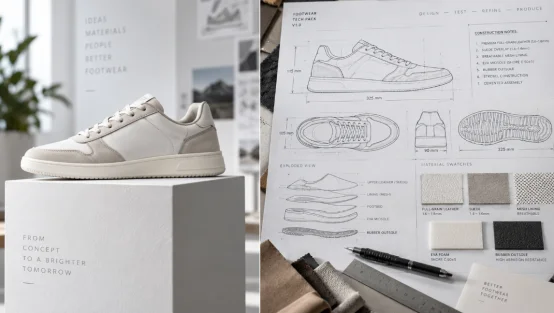
Decoding the Manufacturing Models: Private Label vs. White Label vs. OEM?
Before writing any checks, you have to nail down how your products will actually be built. The boundaries between these production methods can look fuzzy, so let’s break them down clearly.
What Is White Label Shoe Manufacturing?
White label shoe manufacturing is the absolute fastest route to the shelves. You pick an existing, unbranded shoe straight from a factory catalog and put your own logo on it. It works great for testing the waters because the minimum order quantities are usually quite low.
What Is Private Label Shoe Manufacturing?
With private label shoe manufacturing, you gain a lot more control over the final product. The factory makes the shoes based on your specific requirements, and the items carry only your brand identity. You can tweak things like the strap width, sole thickness, and packaging details. This model hits the sweet spot for retailers wanting unique products without engineering every single component from scratch.
What Is OEM Footwear Manufacturing?
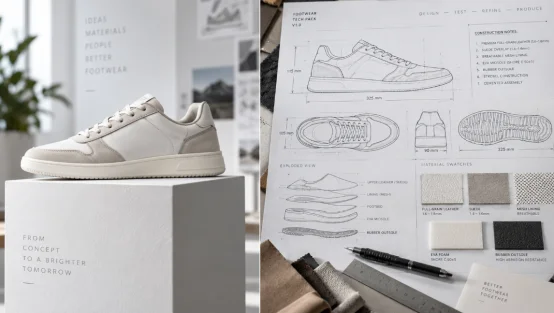
OEM footwear manufacturing means building a completely original product from the ground up. You provide the detailed tech packs, the specific materials, and the custom lasts. The factory acts strictly as your builder. It takes longer and costs much more upfront, but the end result is exclusively yours.
Which Model Is Right for Your Retail Brand?
Picking the correct path really comes down to where your business stands today and how much cash you want to tie up in inventory.
If you want to start a shoe line this season with minimal risk, stick to white label or private label. You get products faster and keep your initial investment low. On the flip side, if you run an established retail chain and need a highly specific sneaker design that nobody else has, OEM is the logical step.
Why You Need a Reliable Footwear Sourcing Agent?
Finding a factory online takes five minutes, but getting them to deliver quality goods on time is notoriously difficult. Partnering with a specialized footwear sourcing agent is basically like setting up your own local office on the ground.
One-stop OEM & Private Label Service
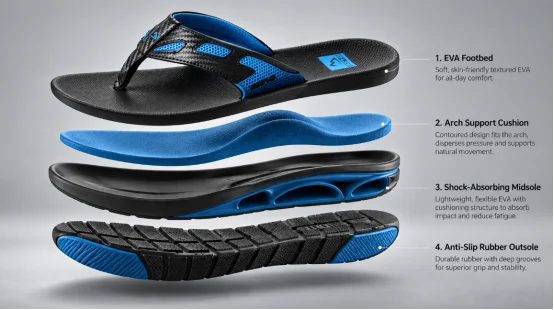
Dealing with five different suppliers for one shoe project is a nightmare. A solid partner provides a One-stop OEM & Private Label Service. They handle everything from adjusting the EVA sole thickness to offset printing your custom boxes.
Whether you need winter boots or wholesale custom logo sandals, a good agent manages the entire customization process for you.
Flexible Orders and Real Support
Most big factories just ignore small trial orders. A dedicated agent steps in to accept those smaller runs, giving you the breathing room to test new styles without filling a whole warehouse with unproven stock.
Optimizing the Supply Chain: From Production to Export?
Making the shoes is only part of the job. Getting them inspected, packed securely, and shipped across the world without bleeding money is where the real work happens.
Strict Pre-Shipment Quality Control
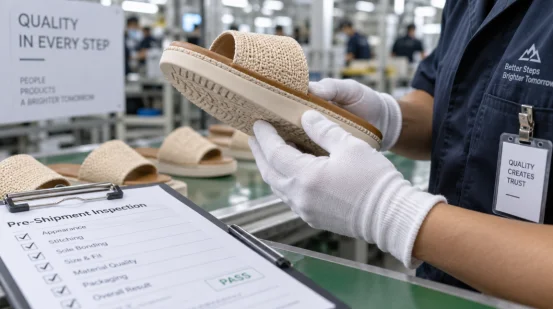
Nobody wants to open a container full of defective shoes. Having a team perform Pre-Shipment Quality Control is non-negotiable. They check the color matching, size assortments, and carton markings before anything gets loaded. This keeps bad inventory from ever reaching your store.
Consolidation and Cost-Effective Shipping
Buying from multiple regions usually means paying a fortune in scattered shipping fees. Smart retailers use warehouse consolidation to combine goods from different suppliers into one single shipment. This strategy drastically cuts down extra freight costs and makes customs clearance much easier.
A Simple Sourcing Process for Fashion Footwear?
A messy supply chain kills retail margins. Following a structured, step-by-step approach keeps your procurement organized and stress-free.
First, submit your demands clearly, including styles, colors, and packaging specs. Next, your agent handles the product and factory matching so you do not waste time screening random suppliers.
Always demand a pre-production sample to check the sole texture and logo effects. After approving the sample, finalize the prices and shipping plans. From there, the team handles production tracking and pre-shipment inspections before managing the cargo consolidation and export paperwork.
Your Supply Chain Advantage for Custom Footwear?
Navigating overseas production requires more than a basic middleman. You need a partner equipped to handle real manufacturing bottlenecks. XINSA steps in exactly here. Instead of juggling separate factories for summer slides, leather sandals, and winter boots, you get a single reliable point of contact.
They directly manage custom color matching, mixed-size ratios, and private label requirements like embossed logos or moisture-proof export packaging. By offering free warehouse storage and arranging flexible mixed container loading, XINSA cuts down your cross-border logistics costs significantly.
They take the friction out of the import process so you can focus entirely on selling. Check out their custom footwear solutions or visit their main platform to streamline your next shipment.
FAQ
Q1: Can custom logos and packaging be applied to bulk orders?
A: Yes, custom printed or embossed logos, exclusive colors, and customized offset printed boxes are available. The mixed-size packing ratios can also be adjusted flexibly to meet your sales plan.
Q2: Are physical samples provided before mass production?
A: Yes, physical pre-production samples are made for you to confirm the color, sole texture, and packaging. All sample revisions are handled before the bulk run begins.
Q3: Is it possible to source different footwear styles at once?
A: Absolutely. Full-category sourcing is available for men’s, women’s, and kids’ shoes, including sandals and winter boots.
Q4: How is product quality checked before shipment?
A: A complete quality check covers color shades, size assortments, hangtags, and carton marks. Any faulty items are fixed before loading the containers.
Q5: What shipping methods work best for large orders?
A: Sea freight and sea-rail intermodal transport are arranged based on your specific destination port and the total order volume.