Men

CONTACT US
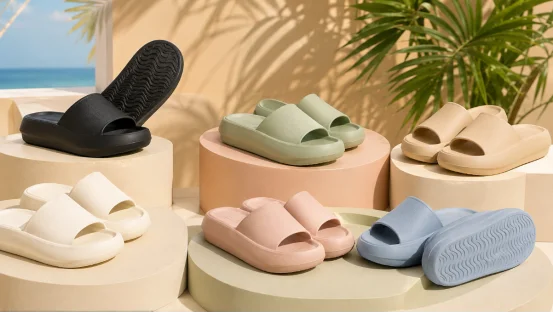
Tired of flip flops that rub your toes, slip on wet floors, or leave your feet aching by noon? These men’s air cushion flip flops are built to fix every single pain point of ordinary summer footwear, delivering cloud-like comfort and unbeatable durability for all-day wear. These flip-flops feature a minimalist EVA upper paired with a PVC anti-slip outsole, offering a soft and comfortable feel. The upper naturally forms gentle creases for a relaxed fit that adapts to the foot shape while maintaining a laid-back look, making them easy to pair with everyday outfits. The uniquely thick sole not only visually elongates the leg line but also provides excellent traction. Whether on wet or uneven ground, they deliver stable support for a more secure walking experience. The footbed is stamped with the brand logo and accented with a distressed leather tag, highlighting quality in the details. Whether for daily wear or outings, these flip-flops are set to be your go-to choice.

Reliable Materials, Built for Every Step

product faq

EVA/Rubber Outsoles: Utilizing high-resilience, wear-resistant, and anti-slip formulas to ensure safety and long-lasting wear. Eco-Friendly Fabrics: Cotton slippers feature skin-friendly, breathable cotton and plush lining; sandals prioritize quick-drying and antimicrobial linings; sports shoes employ breathable mesh and synthetic leather, balancing comfort and support. Eco & Safety Compliance: Strictly adhere to international environmental standards, with controls on restricted substances, especially focusing on the safety of children's products.

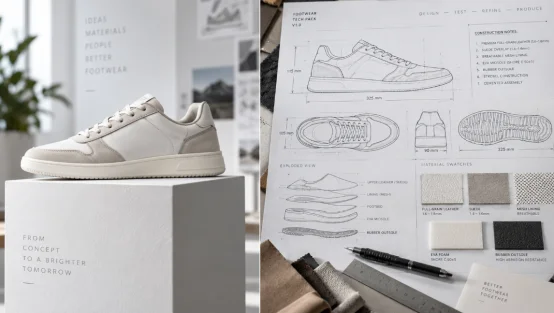
One-Piece Molding/Injection Molding (Sandals/Sports Shoes): Achieves seamless construction for solid structure, lightweight waterproofness, ideal for EVA clogs and sports shoe midsoles. Precision Cutting & Stitching (Cotton Slippers/Select Uppers): Employs automated or high-precision die-cutting combined with durable stitching for neat seams, ensuring structured shape and resistance to separation. Versatile Design Execution: Proficient in printing, embroidery, patch application, charm attachments, 3D doll embedding, etc., accurately reproducing various popular IPs, cartoon patterns, and brand designs. Sampling: Upon design confirmation, we create precise prototypes (samples) for your approval on fit, materials, colors, and details. Revisions are made until you are 100% satisfied.

Ergonomic Design: Optimized shoe lasts for different footwear types to provide a more comfortable, foot-conforming experience. Rigorous QC Process: Multi-stage checks from raw material inspection to production line sampling and finished product full inspection, ensuring color, size, and craftsmanship meet standards. Continuous Innovation: Keep pace with market trends, regularly develop new styles and material applications (e.g., recyclable materials), and support custom OEM/ODM requirements.

Packing & Documentation: Products are packed according to your instructions (branded/neutral packaging). We prepare all commercial documents (invoice, packing list, certificate of origin, etc.). Shipping Arrangement: We handle all logistics—from factory to port. You can choose the shipping method (EXW, FOB, CIF, DDP, etc.). We work with reliable freight forwarders to secure the best routes and rates. Customs Clearance Support: We provide all necessary documentation to facilitate smooth export customs clearance.

Shipment Tracking: We provide the booking details, Bill of Lading (B/L) or Air Waybill (AWB), and real-time tracking information. Arrival & Support: We remain available to assist with any documentation needs upon goods arrival at the destination port and for future cooperation. Our Commitment:We are more than just manufacturers; we are an extension of your supply chain. We understand the demands of the international market and are dedicated to delivering high-quality products at competitive prices with stable and efficient lead times. Choosing Xinsa means gaining reliable craftsmanship, flexible delivery, and professional service.

send us free message


blog articles

25
September
The demand for unique retail brands is growing rapidly. When looking into fashion footwear manufacturing, you hit a wall of industry jargon pretty fast. Figuring out the differences between private label vs OEM shoes is your first real hurdle. Getting this choice right early on saves you a ton of cash and headaches down the road. Decoding the Manufacturing Models: Private Label vs. White Label vs. OEM? Before writing any checks, you have to nail down how your products will actually be built. The boundaries between these production methods can look fuzzy, so let’s break them down clearly. What Is White Label Shoe Manufacturing? White label shoe manufacturing is the absolute fastest route to the shelves. You pick an existing, unbranded shoe straight from a factory catalog and put your own logo on it. It works great for testing the waters because the minimum order quantities are usually quite low. What Is Private Label Shoe Manufacturing? With private label shoe manufacturing, you gain a lot more control over the final product. The factory makes the shoes based on your specific requirements, and the items carry only your brand identity. You can tweak things like the strap width, sole thickness, and packaging details. This model hits the sweet spot for retailers wanting unique products without engineering every single component from scratch. What Is OEM Footwear Manufacturing? OEM footwear manufacturing means building a completely original product from the ground up. You provide the detailed tech packs, the specific materials, and the custom lasts. The factory acts strictly as your builder. It takes longer and costs much more upfront, but the end result is exclusively yours. Which Model Is Right for Your Retail Brand? Picking the correct path really comes down to where your business stands today and how much cash you want to tie up in inventory. If you want to start a shoe line this season with minimal risk, stick to white label or private label. You get products faster and keep your initial investment low. On the flip side, if you run an established retail chain and need a highly specific sneaker design that nobody else has, OEM is the logical step. Why You Need a Reliable Footwear Sourcing Agent? Finding a factory online takes five minutes, but getting them to deliver quality goods on time is notoriously difficult. Partnering with a specialized footwear sourcing agent is basically like setting up your own local office on the ground. One-stop OEM & Private Label Service Dealing with five different suppliers for one shoe project is a nightmare. A solid partner provides a One-stop OEM & Private Label Service. They handle everything from adjusting the EVA sole thickness to offset printing your custom boxes. Whether you need winter boots or wholesale custom logo sandals, a good agent manages the entire customization process for you. Flexible Orders and Real Support Most big factories just ignore small trial orders. A dedicated agent steps in to accept those smaller runs, giving you the breathing room to test new styles without filling a whole warehouse with unproven stock. Optimizing the Supply Chain: From Production to Export? Making the shoes is only part of the job. Getting them inspected, packed securely, and shipped across the world without bleeding money is where the real work happens. Strict Pre-Shipment Quality Control Nobody wants to open a container full of defective shoes. Having a team perform Pre-Shipment Quality Control is non-negotiable. They check the color matching, size assortments, and carton markings before anything gets loaded. This keeps bad inventory from ever reaching your store. Consolidation and Cost-Effective Shipping Buying from multiple regions usually means paying a fortune in scattered shipping fees. Smart retailers use warehouse consolidation to combine goods from different suppliers into one single shipment. This strategy drastically cuts down extra freight costs and makes customs clearance much easier. A Simple Sourcing Process for Fashion Footwear? A messy supply chain kills retail margins. Following a structured, step-by-step approach keeps your procurement organized and stress-free. First, submit your demands clearly, including styles, colors, and packaging specs. Next, your agent handles the product and factory matching so you do not waste time screening random suppliers. Always demand a pre-production sample to check the sole texture and logo effects. After approving the sample, finalize the prices and shipping plans. From there, the team handles production tracking and pre-shipment inspections before managing the cargo consolidation and export paperwork. Your Supply Chain Advantage for Custom Footwear? Navigating overseas production requires more than a basic middleman. You need a partner equipped to handle real manufacturing bottlenecks. XINSA steps in exactly here. Instead of juggling separate factories for summer slides, leather sandals, and winter boots, you get a single reliable point of contact. They directly manage custom color matching, mixed-size ratios, and private label requirements like embossed logos or moisture-proof export packaging. By offering free warehouse storage and arranging flexible mixed container loading, XINSA cuts down your cross-border logistics costs significantly. They take the friction out of the import process so you can focus entirely on selling. Check out their custom footwear solutions or visit their main platform to streamline your next shipment. FAQ Q1: Can custom logos and packaging be applied to bulk orders? A: Yes, custom printed or embossed logos, exclusive colors, and customized offset printed boxes are available. The mixed-size packing ratios can also be adjusted flexibly to meet your sales plan. Q2: Are physical samples provided before mass production? A: Yes, physical pre-production samples are made for you to confirm the color, sole texture, and packaging. All sample revisions are handled before the bulk run begins. Q3: Is it possible to source different footwear styles at once? A: Absolutely. Full-category sourcing is available for men’s, women’s, and kids’ shoes, including sandals and winter boots. Q4: How is product quality checked before shipment? A: A complete quality check covers color shades, size assortments, hangtags, and carton marks. Any faulty items are fixed before loading the containers. Q5: What shipping methods work best for large orders? A: Sea freight and sea-rail intermodal transport are arranged based on your specific destination port and the total order volume.
18
September
Sourcing shoes from China often starts with a screenshot, a target price and a rough delivery month. The hard part comes later. You need the right materials, wearable sizes, steady quality and paperwork that will not stall at the port. This China footwear sourcing guide turns those concerns into a working buying process. What Should You Define Before China Fashion Footwear Sourcing? Put your sales plan on one page before contacting factories. A supplier can quote faster when the brief has real details, not just “trendy sandals.” Set the Product Brief State the customer, season, use case, size range, colors, target price and expected order quantity. For summer lines, note whether the shoe is for commuting, beach use, indoor wear or work floors. A deep anti-slip outsole matters far more for a workshop buyer than for a resort boutique. Check Materials and Fit Ask for the upper, lining, midsole and outsole materials in writing. EVA gives light weight and cushioning, while rubber offers a different grip and wear profile. Request a size chart in the system used in your market, then ask for a physical sample. Photos rarely show toe-room, strap pressure or sole flexibility. How Do You Choose Fashion Footwear Suppliers in China? Supplier choice is a risk decision. A low quote means little if the factory cannot repeat the approved sample or pack mixed sizes correctly. Verify Factory Capability Ask whether the supplier handles men’s, women’s or kids’ footwear, and whether it accepts OEM footwear manufacturing or private label footwear work. Check the production line, sample room and packing area when possible. A useful footwear sourcing agent can arrange factory visits, interpretation and a record of item number, size, color, quantity and carton volume. Review MOQ, Samples and Timing Small trial orders help you test sell-through before a full container. Confirm footwear MOQ and lead time for stock colors, custom colors, printed or embossed logos, hangtags and shoe boxes. Approve a pre-production sample that shows strap comfort, sole texture, logo position and packaging. Keep that sample as the reference for final inspection. Compare the Total Landed Cost Add product price, sample fees, inland transport, inspection, export cartons, duty, freight and destination charges. Mixed-size packing can improve inventory balance. Consolidating orders from several factories may also lower the cost per shipment, even when one item has a slightly higher unit price. Which Fashion Footwear Categories Work Well for Wholesale? Different categories solve different retail problems. Match the construction to the shelf, the climate and the buyer’s daily routine. EVA Sandals and Slides EVA sandals wholesale buyers often look for light cartons, easy cleaning and repeatable sizing. A thickened, wear-resistant EVA sole can suit daily commuting, workplace duty, beaches and indoor use. Double hook-and-loop straps adjust to different foot widths, and a textured outsole adds grip on wet ground. Full EU men’s sizes from 38 to 45, with mixed-size ratios, make a practical opening order. Kids’ Boots and Sandals For toddlers, fit and stability come first. High-top ankle boots with a roomy round toe, elastic knit collar, adjustable laces and a thick non-slip rubber outsole support active walking in kindergartens, homes and parks. Girls’ sandals with a Velcro ankle strap, breathable lining and a flexible rubber sole cover spring and summer occasions. Ask for age-appropriate size ranges, such as EU 21 to 32 for boots and EU 22 to 33 for sandals. Seasonal and Private Label Collections Retailers can combine core neutral colors with a few market-specific shades. Custom logo shoes may use screen printing, heat transfer, embossing or woven labels. Strap width, sole thickness, hangtags and carton printing can be adjusted in a private label footwear program. Keep changes limited on the first run. Every extra component adds a new point to inspect. How Do You Control Footwear Quality Before Shipment? Quality control works best as a sequence, not a final surprise. Tie every check to the approved sample and your written order sheet. Inspect During Production Check incoming materials, color consistency, bonding, stitching, strap attachment and outsole texture. For children’s shoes, inspect sharp edges, loose decorations and lace hardware. A professional QC team can send progress updates and flag a deviation while there is still time to correct it. Complete a Pre-Shipment Check Use a sample-based inspection for size, color, logo, pair matching, carton marks and quantity. Photograph defects and record carton numbers. Independent footwear factory inspection is useful even when another factory placed the order. The report should state what was checked, the defect level and the agreed action. Protect the Cargo Moisture-proof OPP bags, reinforced export cartons and optional shoe boxes help shoes survive long sea routes. Confirm carton dimensions and CBM before booking. Warehouse storage and mixed container loading can combine products from different regions into one export shipment, with documents prepared for customs clearance. What Shipping Plan Fits Your China Footwear Order? Choose transport after the order is stable. Sea freight suits larger seasonal buys. Sea-rail combinations can help when inland timing or destination connections make a direct route awkward. Your shipping plan should include cargo insurance, export documents, bill of lading handling and the import papers required in your country. Order tracking matters here. A sourcing partner can follow production, receive goods into a Yiwu warehouse, inspect them, consolidate cartons, transfer supplier payments and book space with established freight forwarders. You get one contact for several factories, which is handy when a launch date is already printed on the sales calendar. Where Can XINSA Fit Into Your Import Process? Once your product brief is clear, XINSA can match footwear requests with qualified manufacturers across China. Its scope covers men’s, women’s and kids’ styles, including slippers, slides, sandals and children’s boots. The service includes sample coordination, custom colors, mixed-size ratios, logo and label work, strap or sole adjustments, and export packaging. The practical value sits in the handoffs. XINSA records order details with photos, follows production, arranges pre-shipment QC and stores goods in its own warehouse. Orders from multiple suppliers can be consolidated and loaded together. Sea, air and sea-rail options, customs declarations and destination import documents are handled within the same export workflow. Small and trial orders are accepted, while OEM and ODM projects remain available for buyers testing a new collection. Product examples and inquiry routes are listed at XINSA products and the XINSA home page. FAQ Q1: What is a sensible first order for China fashion footwear sourcing? A: Start with one or two styles, proven colors and a controlled mixed-size ratio. Use the trial order to test fit, packaging and sell-through before adding custom components. Q2: How can you lower footwear sourcing risk? A: Define materials and sizes in writing, approve a pre-production sample, track production and complete an independent or supplier-led pre-shipment inspection. Q3: Can several footwear factories ship in one order? A: Yes. Warehouse consolidation and mixed container loading can combine cartons from different suppliers and simplify export paperwork. Q4: What details should a custom logo shoe order include? A: Provide logo artwork, position, print or emboss method, colors, size ratio, hangtag data, carton marks and packaging dimensions. Approve a physical sample before bulk production. Q5: Which materials are common for fashion footwear? A: EVA is common for lightweight sandals and slides. PVC, PU, mesh, cotton fabric and rubber are also used across uppers, linings, midsoles and outsoles, depending on the style and use.
11
September
Fashion footwear moves fast. Buyers want more than just cheap prices today. Brands and retailers look for fresh designs. They need comfortable materials, flexible custom options, and on-time delivery. That is why so many companies buy their shoes from China. There, you can discover countless styles and factory setups. From platform sandals to retro sneakers, new fashion footwear trends offer great chances for wholesale buyers and private label brands. Still, picking the right China footwear supplier takes work. A solid factory partner guides you from spotting trends to receiving finished goods without the usual headaches. What Are the Hottest Fashion Footwear Trends to Source from China This Season? Today’s shoe market blends visual appeal with real daily use. People want unique shoes that still feel great after a long shift. Buyers must pick items that will actually sell, offering flexible custom choices and strong factory backing. Platform Sandals and Statement Shoes Gain More Attention Platform sandals always catch a buyer’s eye. They look bold but stay very comfortable. Thick soles and adjustable straps help. Light materials make these shoes perfect for summer racks and casual shops. When you source platform sandals wholesale, check the small details. Look at the sole build, floor grip, color choices, and packaging. These touches often influence customer reviews. For instance, EVA platform slides sell fast. They are lightweight, block water, and clean up easily. Custom colors let shops make items that fit their local buyers perfectly. Comfort-Driven Slides and EVA Footwear Remain Strong Comfort is a must-have, not a bonus. People wear slides around the house, during trips, or after the gym. A reliable EVA footwear supplier makes items with soft cushioning. These shoes dry fast and resist slipping. Such designs work well in grocery stores and lifestyle shops. When picking wholesale slides from China, buyers check: Material strength Sole thickness and cushioning Size ranges Custom logo choices Export boxes Adjustable EVA sandals with thick, grippy bottoms are great for private label jobs since you can add your own logos. Retro Sneakers and Casual Footwear Return to the Market Retro sneakers are a big deal again. Classic shapes and neutral colors are smart choices. Simple looks sell well because people wear them all year. Retailers often hunt for a wholesale sneakers supplier offering classic designs alongside custom changes. Everyday sneakers using PU uppers, rubber soles, and soft linings remain popular for travel and streetwear. When building a shoe line, buyers must balance cool looks with factory reality. A stylish shoe that is hard to produce can cause major delays. How Can You Choose the Right Footwear Categories from China? Picking products requires thinking about your target buyers, price tags, seasons, and order sizes. A shoe that sells fast in one town might sit on the shelf in another. The table below compares top shoe choices for sourcing. Footwear Category Main Materials Key Features Best Sales Channels Customization Options Platform Sandals EVA, PVC, Rubber Thick sole, comfort, casual style Summer retail, fashion stores Logo, color, strap design EVA Slides EVA, PVC Lightweight, waterproof, anti-slip Supermarkets, lifestyle brands Logo, packaging, size mix Retro Sneakers PU, Mesh, Rubber Classic look, daily comfort Streetwear, casual brands Upper materials, logo, colors Kids Shoes PU, Rubber, Fabric Safety, comfort, easy wearing Kids retailers Decoration, colors, packaging Winter Clogs EVA, Faux Fur Warm, waterproof, practical Home and lifestyle stores Logo, packaging What Should You Check Before You Source Shoes from China? Many buyers face similar worries. They spot many suppliers online but struggle with quality control and clear communication. Tracking factory progress and planning shipments is tough. A pro footwear sourcing agent China service lowers this stress by helping you: Find the right factories for your exact needs Check samples before mass production Track factory progress Inspect goods before shipment Combine boxes from different makers For example, check test shoes closely before the big run starts. Look at colors, materials, logo prints, and packaging. Tiny details matter. A weird sole grip or misplaced strap can ruin customer satisfaction. How Can You Build a Private Label Footwear Collection More Easily? For brands wanting unique designs, customization is vital. Shops do not want to sell the exact same items as competitors. They team up with an OEM footwear manufacturer China partner to build exclusive lines. Common customization options include: Printed or embossed logos Custom colors Packaging design Hangtags and labels Sole thickness adjustments Strap design changes A trusty private label shoes supplier guides you from your first idea to the final shipment. XINSA offers shoe sourcing services for global buyers, covering men’s, women’s, and kids’ shoes. The company supports OEM and ODM projects, helping buyers with product matching, customization, quality checks, warehousing, and export procedures. XINSA Footwear Products. How Can a China Sourcing Partner Help You Follow Footwear Trends? Fashion trends move fast, but buying choices take careful planning. Teaming up with a partner who knows the China footwear supply chain helps buyers discover styles while reducing communication costs. XINSA operates from Yiwu, a major trading hub, providing sourcing support. They handle supplier matching, purchasing assistance, inspection, warehouse consolidation, and international shipping. They support both small trial orders and bulk purchasing. For footwear businesses, the biggest advantage is having a reliable process behind every order, from selecting styles to checking the final shipment. FAQ Q1: What Are the Most Popular Fashion Footwear Trends to Source from China This Season? A: Popular trends include platform sandals, comfortable EVA slides, retro sneakers, lightweight casual shoes, and customized private label footwear. Q2: Why Do Brands Source Shoes from China? A: Brands buy from China to access diverse styles, competitive costs, flexible customization, and mature export services. Q3: How Can I Find a Reliable China Footwear Supplier? A: Check the supplier’s factory network, customization ability, quality control, sample services, and export experience before ordering. Q4: Can I Customize My Own Private Label Shoes in China? A: Yes. Many suppliers support custom logos, materials, colors, packaging, and adjustments for private label footwear. Q5: What Services Can a Footwear Sourcing Partner Provide? A: A professional sourcing partner helps with product selection, factory communication, quality inspection, warehouse consolidation, shipping, and export documentation.
04
September
Buying shoes for resale is different from choosing a pair for yourself. When you source fashion footwear wholesale, you need to think about season, customer age, size mix, retail price, repeat orders, and how easily a style can carry your own label. The most useful popular footwear styles are not necessarily short-lived internet trends. For wholesale shoes for retailers, practical wear, easy sizing, recognizable styling, and reasonable customization often matter more. A broad footwear product range also makes it easier to build one order around several customer groups. What Makes a Footwear Style Suitable for Wholesale? Good wholesale footwear styles need to work commercially, not just photograph well. A sandal may look great in a sample room but become awkward stock if the size ratio is wrong or one color dominates the carton. Look at Wear Scenarios and Size Flexibility Daily wear usually gives you more sales opportunities. Home, work, travel, beach, school, and casual outdoor use can all broaden a style’s audience. Size assortment heavily matters. Certain EVA footwear offers complete sizing and mixed-size packing. This allows importers to arrange cartons matching genuine shop needs, bypassing identical bulk purchases. Developing private label footwear? Verify if colors, logos, straps, sole thickness, hangtags, shoe boxes, and carton printing are fully customizable. What Are the Top 10 Popular Footwear Styles for Wholesale Buyers? The following categories reflect practical fashion footwear wholesale options across men’s, women’s, and children’s ranges. They are sourcing categories, not a claimed global sales ranking. 1. Adjustable EVA Slides EVA slides wholesale programs are a useful starting point for summer and general casual retail. Adjustable double straps fit different foot widths, while thick EVA soles can provide cushioning and grip. These slides suit home wear, workplaces, beach trips, and short outdoor use. Printed or embossed logos, custom colors, mixed sizes, and export packaging also make them friendly to private-label programs. 2. Casual Sneakers Wholesale sneakers give you an all-season category with wider everyday appeal. Simple lace-up styles with PU uppers, rubber soles, neutral colors, and lightweight construction can fit work, travel, city walking, and casual retail. For buyers building fashion shoes wholesale assortments, cleaner sneaker designs are useful because they are less tied to one season than sandals or winter footwear. 3. Men’s Casual Flip-Flops For men shoes wholesale, cushioned flip-flops are straightforward summer stock. Common designs use PU or artificial-leather straps with EVA cushioning and textured soles. They cover beach, home, holiday, travel, and everyday errands. Quick-drying construction and easy packing also help when you sell through resort, supermarket, or general footwear channels. 4. Women’s Platform Slides In women shoes wholesale, platform slides add a stronger fashion angle. Rhinestone styles, for example, can combine a soft PU upper with a thick sole, adjustable fit, and decorative surface details. Some available designs use a 4.5 cm sole and come in black, silver, champagne tones, or custom colors. That gives boutiques and seasonal retailers something more expressive than a basic summer slide. 5. Women’s Flat Buckle Sandals Wholesale sandals do not always need dramatic styling. Flat sandals with adjustable buckles, PU uppers, and rubber soles can serve commuters, shoppers, travelers, and everyday casual customers. Neutral black and brown are easy to merchandise. Logo placement and customized colors can then create a more distinct retail line without changing the whole shoe structure. 6. Women’s Wedge and Platform Sandals Wedge and platform sandals are useful when your assortment needs height and a more fashion-led summer shape. They fit holiday, resort, boutique, and casual dress collections. For custom footwear wholesale, this category also gives you room to work with upper colors, sole appearance, decoration, and packaging. Just keep comfort in mind. A striking sample that is hard to walk in will not help repeat sales. 7. Warm Fuzzy Slippers Wholesale slippers balance a collection once summer footwear slows down. Plush cross-band slippers with TPR soles can cover bedroom use, casual home wear, balcony walking, gifts, and seasonal retail. Stock colors can support faster buying, while custom colors and packaging suit holiday or home-lifestyle collections. 8. EVA Clogs and Warm Clogs EVA clogs offer another route into wholesale slippers and casual footwear. Waterproof EVA shells are easy to clean, and plush-lined versions bring the same basic shape into colder months. Some styles use removable fleece lining, so one product concept can move between warm slippers and lighter casual clogs. That seasonal flexibility is surprisingly useful when warehouse space is tight. 9. Kids’ Ankle Boots For kids shoes wholesale, ankle boots create a clear autumn and winter category. Available toddler styles can use faux-suede-look PU uppers, elastic knit collars, adjustable laces, and non-slip rubber soles. A range such as EU 21 to 32 can serve kindergarten, outdoor walking, family retail, and gift channels. Children’s footwear also deserves closer checks on fit, materials, sole grip, and size consistency. 10. Girls’ Fashion Sandals Another kids shoes wholesale option is decorative summer sandals. Rhinestone straps, hook-and-loop ankle closures, flexible rubber soles, and neutral colors combine fashion with easy wear. Styles covering roughly EU 22 to 33 can serve school, everyday outings, holidays, and dressier occasions. Decoration, labels, and packaging can also turn them into private label footwear. How Should You Compare Wholesale Footwear Styles? Once you have a shortlist, compare products on the same commercial basis. Different wholesale footwear styles serve different jobs in your inventory. Compare More Than Unit Price Check season, target customer, size range, material, wearing occasion, packing method, and customization. For wholesale shoes for retailers, a slightly higher unit price may make sense if the style covers more sizes or occasions. A sensible assortment often combines core volume styles such as slides and sneakers, fashion styles such as platforms, and seasonal products such as boots and fuzzy slippers. What Matters When Customizing Private Label Footwear? Customization should help the shoe fit your market. It should not add decoration simply because the factory can make it. Start With the Details Customers Actually See For private label footwear and custom footwear wholesale, common options include printed or embossed logos, embroidery, woven labels, custom colors, strap changes, sole thickness adjustments, mixed-size ratios, hangtags, shoe boxes, and outer carton printing. Before mass production, use a physical sample to confirm color, fit, sole texture, logo position, size assortment, and packaging. Photos alone miss quite a lot. What Should You Check During Footwear Sourcing? Good footwear sourcing continues after you select a style. Sampling, order tracking, QC, packing, consolidation, and shipping all affect the final landed product. Check Samples and Shipment Details A pre-production sample should be reviewed before bulk production. Pre-shipment inspection can then check color shades, sizes, logos, hangtags, carton marks, quantity, and packing. When several factories are involved, consolidation can also matter. A footwear sourcing service that collects different suppliers’ goods into one warehouse can make mixed-category orders easier to manage. How Can the Right Sourcing Setup Support a Mixed Footwear Collection? Building a catalog with sneakers, sandals, slippers, and children’s footwear is complex. Managing multiple factories easily rivals the actual shoe selection. XINSA handles men’s, women’s, and kids’ footwear sourcing. They actively deliver style matching, sampling, and OEM/ODM production. Furthermore, they execute order follow-up and pre-shipment QC. Their network accommodates custom colors, mixed-size ratios, logos, and packaging. You can even request minor product changes, like strap or sole adjustments. Using scattered suppliers? Warehouse consolidation and mixed shipments merge these orders pre-export. This precisely fits a diverse fashion footwear wholesale plan, avoiding massive single-style purchases. FAQ Q1: What are the most popular footwear styles for wholesale buyers? A: Practical popular footwear styles include EVA slides, casual sneakers, flip-flops, flat sandals, platform sandals, fuzzy slippers, EVA clogs, kids’ boots, and children’s summer sandals. Your final mix should follow your market and season. Q2: Which shoes work well for private label footwear? A: Slides, sandals, sneakers, slippers, and clogs can all work well when suppliers support logo, color, size, material, and packaging changes. Q3: What should you check when ordering EVA slides wholesale? A: Check EVA density and feel, outsole grip, strap fit, size assortment, color consistency, logo quality, packing, and the approved sample before bulk production. Q4: Can different wholesale footwear styles be shipped together? A: Yes. Where the sourcing setup supports consolidation, footwear from several suppliers can be collected and combined for one shipment. Q5: What should you check during footwear sourcing? A: Review MOQ, size ratios, colors, materials, samples, customization, inspection requirements, packaging, production progress, and shipping arrangements before confirming the full order.
Home
WhatsApp
Email
Contacts