22
October
October
A customer may try on a shoe for less than a minute, yet the sale depends on how it feels through a commute or work shift. That is why wholesale comfort shoes deserve a practical buying plan.
Comfort can support repeat purchases, broader daily use, and fewer fit complaints across footwear stores, supermarkets, and online shops.
Why Do Wholesale Comfort Shoes Make Commercial Sense?
Daily wear shoes serve shoppers who walk to work, stand for hours, travel, or need easy footwear at home. These uses give comfort shoes for retailers a wide customer base and give wholesale shoes for distributors several sales channels.
Wider Wear Scenarios Support Steadier Sales
A cushioned sneaker can cover office commutes, city walks, and short trips. An adjustable EVA slide may work at home, near a pool, or during light workplace duty. Warm clogs add colder-season demand. Each clear use case helps staff explain the product quickly.
Seasonal planning still matters. A useful assortment pairs year-round wholesale sneakers with summer slides and a measured winter line.
Practical Comfort Features Can Reduce Fit Complaints
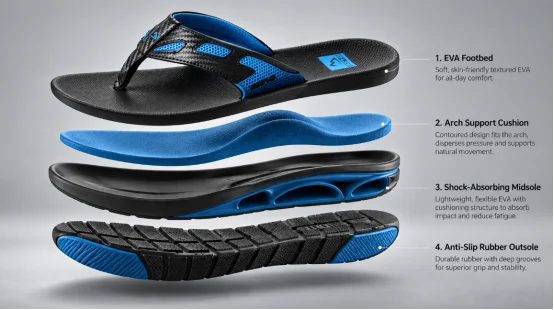
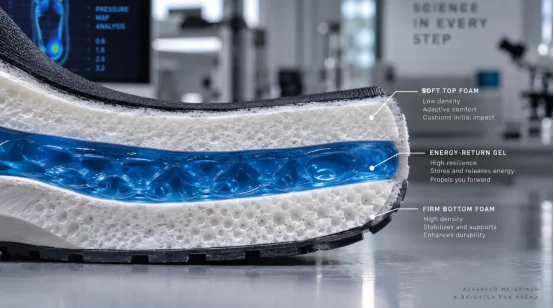
Comfort comes from identifiable parts. A soft insole cushions the foot. A supportive midsole spreads pressure. Mesh lining releases heat. Adjustable straps accommodate different instep heights, while a roomy toe shape gives toes space. Rubber outsoles provide grip; EVA soles keep many styles light.
Ask for foot-length measurements, the last used, and guidance for wide feet. Some models recommend sizing up for a wider foot, so confirm the rule for each style. A clear chart helps shoppers choose.
Which Product Features Matter Most to Buyers?
Turn the comfort claim into a checklist tied to the wearer and floor condition. The best comfort shoes for retail stores match cushioning, fit, grip, and care to a real use case.
Cushioning, Support, and Low Weight
For long walks, check insole softness, sole rebound, forefoot flex, and heel stability. Cushioned footwear should feel soft while keeping the foot steady. Low weight also suits travel and all-day wear.
For EVA comfort shoes, examine sole density and recovery after compression. For sneakers, review the midsole, lining, and flex point together.
Grip, Breathability, and Easy Care
Deep tread gives non-slip comfort shoes traction on tile, workshop floors, and damp outdoor surfaces. Request grip testing for the intended use; outsole material, tread depth, and contact area all affect performance.
Breathable mesh suits sneakers. Quick-drying linings suit summer sandals. Waterproof EVA uppers rinse easily, which works well for household slippers and poolside footwear. Put care instructions on the product page and package.
How Should You Build a Profitable Assortment?
Sell-through determines profit. A balanced comfortable shoes wholesale order considers color depth, size demand, sales season, retail price, and the space each carton occupies.
Start with Core Styles and Controlled Variants
Begin with proven neutral colors and a few accents suited to your market. Clean sneaker shapes can work across seasons, while adjustable slides fit more foot shapes. Keep structural changes limited during an opening run so you can judge fit and sell-through.
Small trial orders reveal which colors and sizes move before you commit more cash. A strong product photo still leaves slow stock when the carton carries the wrong size ratio. It happens.
Use Mixed Sizes to Match Store Demand
Mixed-size packing lets you build cartons around actual sales. Confirm the size range, pairs per size, carton count, and color mix. Some men’s ranges cover EU 38 to 45; each women’s and children’s chart remains model-specific.
For a bulk shoe order, compare the planned ratio with your past sales. Stores near schools, offices, resorts, or industrial areas may need very different curves. Better ratios release cash sooner and leave fewer odd sizes at season end.
What Should You Check Before Buying Shoes in Bulk?
What to check before buying shoes in bulk starts with written records. A dependable wholesale footwear supplier records materials, colors, sizes, logo position, packaging, quantity, carton marks, and delivery timing. These details guide production and footwear quality control.
Approve a Physical Sample
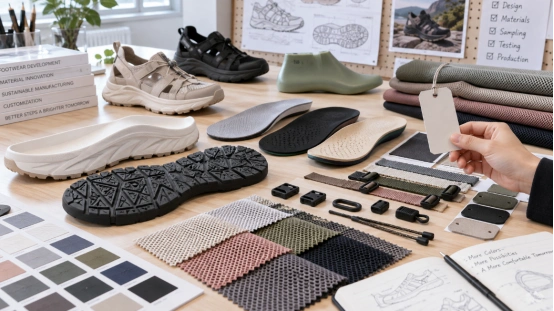
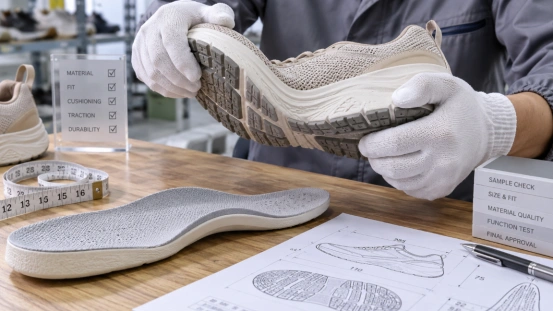
A pre-production sample lets you check footbed feel, strap pressure, outsole texture, stitching, bonding, color, logo work, and packaging. Wear testing can expose rubbing or poor flex that photographs miss. Keep the approved sample available for the final inspection.
Ask about shoe MOQ and lead time for stock colors and custom versions. One private label sneaker program lists logo customization from 480 pairs per color, while a typical production cycle may run 25 to 30 days after sample approval and deposit. Your style, order size, and production schedule can change both figures, so place the confirmed terms on the purchase order.
Inspect Production, Packing, and Shipment
Inspection should cover pair matching, color shade, size labels, logo placement, outsole finish, hangtags, carton marks, and quantity. Children’s footwear also needs checks for sharp edges, loose decorations, and secure hardware. Record defects by carton and agree on corrective action before loading.
Reinforced export cartons and moisture-resistant inner packing help protect goods on long sea routes. Custom shoe packaging may include printed boxes, hangtags, woven labels, stickers, or OPP bags. When several factories supply one order, warehouse consolidation and mixed-container loading can reduce fragmented shipments and keep export documents together.
A Sourcing Setup Built around Retail Risk
Once the assortment and inspection standard are clear, the remaining task is coordination. XINSA matches men’s, women’s, and children’s footwear requests with factories and handles samples, order records, production follow-up, inspection, warehousing, and export arrangements.
For private label comfort shoes, buyers can request color changes, mixed-size ratios, printed or embossed logos, woven labels, hangtags, strap adjustments, and sole-thickness changes. This supports OEM and ODM footwear programs and custom logo shoes while keeping each choice tied to an approved sample. Small and trial orders are available for market testing. Orders from several suppliers can be received into one warehouse, checked, and combined for shipment. That workflow gives a footwear sourcing agent one traceable record from the product brief through loading.
FAQ
Q1: How to choose wholesale comfort shoes?
A: Define the wearer, use case, target price, materials, size range, and sales season. Then test a physical sample for fit, flex, cushioning, grip, and care.
Q2: What are the best comfort shoes for retail stores?
A: The strongest choices fit your local routines. Daily sneakers, adjustable slides, cushioned sandals, and easy-care clogs cover common work, travel, home, and leisure needs.
Q3: What should you check before buying shoes in bulk?
A: Check the sample, size chart, mixed-size ratio, material specification, MOQ, lead time, inspection method, packaging, carton data, and shipping plan.
Q4: Can wholesale comfort shoes carry a private label?
A: Yes. Common options include printed or embossed logos, custom colors, labels, hangtags, boxes, and minor changes to straps or sole thickness.
Q5: How can distributors manage orders from several footwear factories?
A: Use one order record for each factory, inspect goods against approved samples, receive cartons into a warehouse, and combine them through warehouse consolidation when the shipping plan allows it.